8 Types of Dynamic Pricing for Co-Living in 2026
July 10, 2026
Stop Guessing: A Guide to Smarter Rental Pricing
You have a room that's been vacant for three weeks. Do you drop the price and risk leaving money on the table, or hold firm and risk another month of lost income? For PadSplit hosts and co-living operators, this is a constant challenge. A single empty room can drag down property performance fast, especially when utilities, cleaning, turns, and lead follow-up keep running whether the room is occupied or not.
That's why the best operators stop treating pricing like a one-time listing decision. They treat it like an operating system. Dynamic pricing replaces guesswork with a data-driven way to balance occupancy and revenue, so you're not just reacting when a room sits too long.
This matters even more in shared housing. You're not pricing one unit. You're pricing a private room inside a living environment where room type, house mix, seasonality, member churn, and local alternatives all affect what someone will pay.
Some forms of dynamic pricing are simple and practical. Others are powerful but easy to misuse. In co-living, the wrong model can create vacancy, confusion, or fairness problems with residents. The right model can help you fill rooms faster, protect rate integrity, and improve NOI.
This guide breaks down the core types of dynamic pricing you can use in room-by-room rentals, with a focus on what works for PadSplit-style operators and where each approach tends to break down. Platforms like PadPulse are being built to automate exactly this kind of pricing logic across your portfolio.
1. Demand-Based Pricing
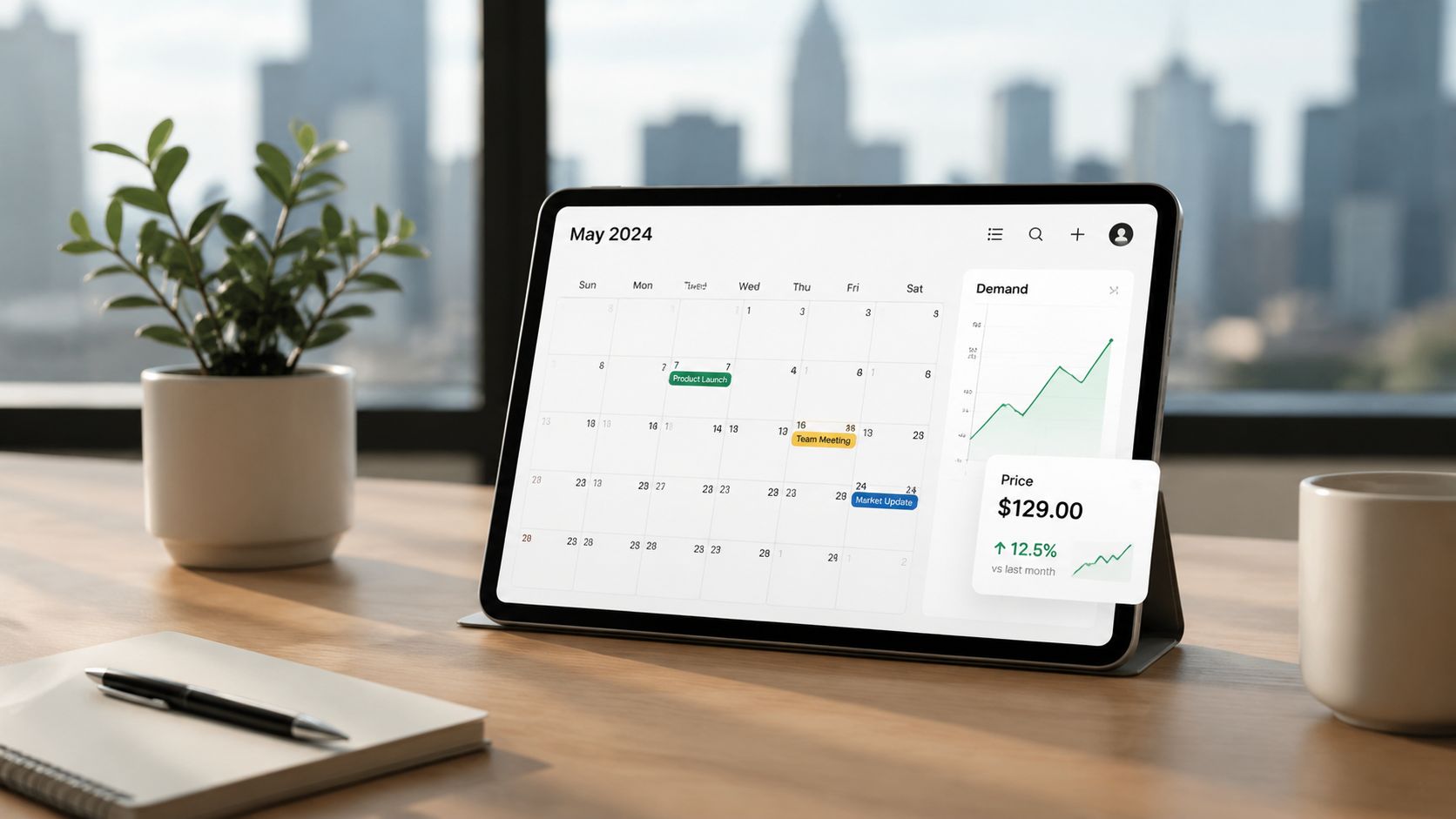
A room gets three qualified inquiries by lunch on Monday, and a similar room in the same house gets none for four days. That gap is demand, and it should affect price.
Demand-based pricing adjusts rates based on live market interest, not just your asking rent target for the month. For PadSplit-style and co-living operators, that means watching demand at the room level. The front bedroom with better light, a larger closet, and faster move-in availability may deserve a higher rate than the smaller interior room, even if both share the same kitchen and utilities.
Where It Works Best in Co-Living
This model works best in markets where demand shifts fast. Hiring ramps at a nearby warehouse, a college term starts, a large employer cuts staff, or a competing rooming house goes offline. In each case, inquiry volume changes before your trailing occupancy reports catch up.
The key is separating real demand from noise. I look at lead volume, response speed, showing requests, completed applications, and how many prospects are asking for the same move-in window. A spike in clicks means little if nobody books a tour or finishes screening.
Used well, demand-based pricing protects both occupancy and rate integrity. You raise rates on the rooms that are clearly underpriced, and you avoid cutting rates across the whole property just because one hard-to-rent room is lagging.
- Best use case: Homes where room demand changes with local hiring, school calendars, transit access, or short-term neighborhood supply shifts.
- Biggest win: Pricing reflects what applicants are responding to right now, room by room.
- Main risk: Operators chase shallow demand signals and raise rates before conversion data supports it.
Practical rule: Demand signals matter only if your team answers leads fast enough to learn from them.
This model also breaks when operations are slow. If your team takes hours to answer messages, you cannot tell whether weak conversion came from bad pricing or poor follow-up. Strong lead handling and occupancy management software for co-living portfolios make the pricing signal cleaner.
If you want this model to work, pair pricing with demand forecasting software for co-living operators. Price changes without forecast discipline usually become guesswork with better branding.
2. Occupancy-Based Pricing
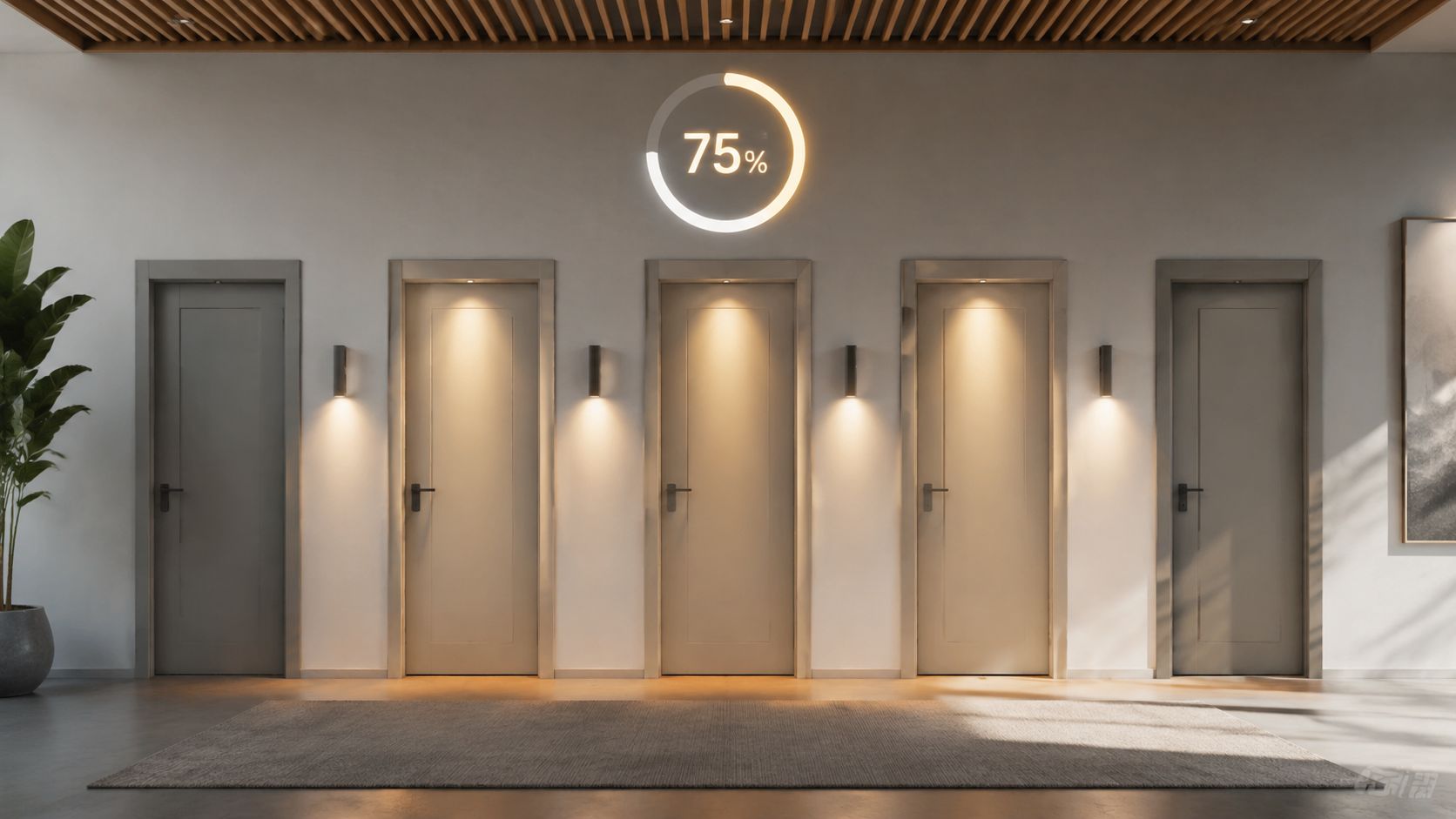
Occupancy-based pricing is blunt, but it's effective. When too many rooms are empty, you lower rates to pull demand forward. When the house is nearly full, you stop discounting and protect margin. For operators with several rooms under one roof, that can be easier to manage than a more abstract demand model.
The reason this works in co-living is simple. An empty room doesn't just reduce rent collected. It can weaken house stability, create longer turn cycles, and make your monthly cash flow less predictable. Occupancy-based pricing responds to what matters most operationally. How full the property is right now.
How to Use It Without Training the Market to Wait
This model breaks when operators make their rules too obvious. If applicants learn that prices always fall once a house has several vacancies, some will wait you out. That's why threshold design matters more than most beginners expect.
A better approach is to tie rate movement to both occupancy and time open. If the property is underperforming and one room has been sitting, reduce selectively. If the property is healthy and one unusual room is lagging, solve the merchandising problem first.
Guesty recommends updating dynamic pricing at least once every 24 hours and setting floor and ceiling guardrails to prevent runaway pricing, according to Guesty's guide to dynamic pricing strategies. That advice applies cleanly to room-by-room rentals. Without guardrails, occupancy pricing turns into panic pricing.
When occupancy drops, don't cut every room. Cut the room that's actually blocking lease-up.
Use occupancy-based pricing when you need clean rules your team can follow. If you're managing multiple homes, occupancy management software built for room-by-room portfolios can make those thresholds visible before vacancy drifts into a bigger NOI problem.
3. Competitor-Based Pricing
Competitor-based pricing keeps you anchored to reality. In co-living, that reality is local and messy. Your true competitors may include another PadSplit-style house, a traditional roommate listing, a small extended-stay property, student housing, or even a private landlord offering an all-in room near transit.
This model is useful because most pricing mistakes aren't exotic. Operators either price from emotion or copy old rent numbers from a stronger market cycle. Competitor-based pricing forces you to ask a better question. If a prospect compares your room against nearby alternatives today, do you still make the shortlist?
The Trap Most Operators Fall Into
The hard part isn't collecting comps. It's choosing the right ones. A house with smart locks, stable Wi-Fi, cleaner standards, and tighter member screening shouldn't be priced like a lower-touch property two blocks away. If you use bad comps, you'll either underprice quality or overprice weakness.
I've seen this model work best as a baseline, not the final answer. Set the market-aware starting point, then adjust for house quality, room type, and demand conditions.
- What works: Tracking comparable furnished rooms with similar lease flexibility and shared-living standards.
- What doesn't: Matching the cheapest room in the zip code just because it looks close on paper.
- What to watch: If every operator in your area follows the same comps, it can trigger a race to the bottom.
For operators who don't want to scrape listings manually every week, comparable property analysis for co-living pricing is the missing layer. It helps you benchmark against the right competitive set instead of reacting to noise.
This is one of the most practical types of dynamic pricing because it's easy to understand. It's also one of the easiest to misuse. Markets don't pay you for matching competitors. They pay you for offering a room that earns the rate.
4. Time-Based Pricing
A room sits vacant on the 27th. Payroll hits on the 1st. That same room often needs a different price this week than it did two weeks ago.
That is time-based pricing. You change rent based on timing factors such as seasonality, lead time, move-in urgency, and commitment length. For PadSplit-style and co-living operators, this matters at the room level, not just the property level. Bedroom A may have a comfortable pricing window with ten days of inquiry flow left. Bedroom B may need action now because the house is about to carry a vacancy into next month.
Timing affects margin because time affects cost. A short stay usually creates more cleaning, more inspection work, more listing refreshes, and more leasing activity. A room that turns three times can produce less NOI than a slightly cheaper room that stays full with stable members.
Why Timing Matters in Shared Housing
Co-living demand follows patterns. Prospects move around paycheck cycles, job starts, school calendars, and local hiring bursts. Operators who price every room the same way in every week of the month usually miss revenue on the strong dates and react too late on the weak ones.
I use this model to answer a practical question: what is the right price for this room, right now, given how much time is left to fill it?
A few common uses stand out:
- Lease-length tiers: Longer commitments can support a lower monthly rate because they reduce turn costs and vacancy exposure.
- Seasonal pricing: Some months bring faster leasing velocity, especially in markets with strong relocation or education cycles.
- Booking-window pricing: A room marketed three weeks before availability can hold firmer pricing than one still open a few days before month-end.
- Urgency pricing: If carrying a vacancy into next month will hurt collections, a temporary concession can protect occupancy and NOI.
The key is to stay disciplined. Discounting too early trains the market to wait. Discounting too late leaves you with dead days you will never recover.
What Good Time-Based Pricing Looks Like
In practice, this model works best with simple rules. For example, an operator might hold full rate when a room is listed with healthy lead time, offer a modest incentive if it is still open close to the target move-in date, and give a better monthly rate to members willing to stay longer. That structure is easy to explain and easy to manage across multiple homes.
The trade-off is transparency. Prospects will accept different prices for different timing conditions if the logic is clear. They get skeptical when pricing changes feel random or when every vacant room has a different special attached to it for no obvious reason.
Good time-based pricing feels consistent to the renter and deliberate to the operator.
Use this model when your leasing calendar shows repeatable patterns. Avoid turning it into a pile of rotating specials that your team cannot explain or enforce.
5. Amenity-Based Pricing
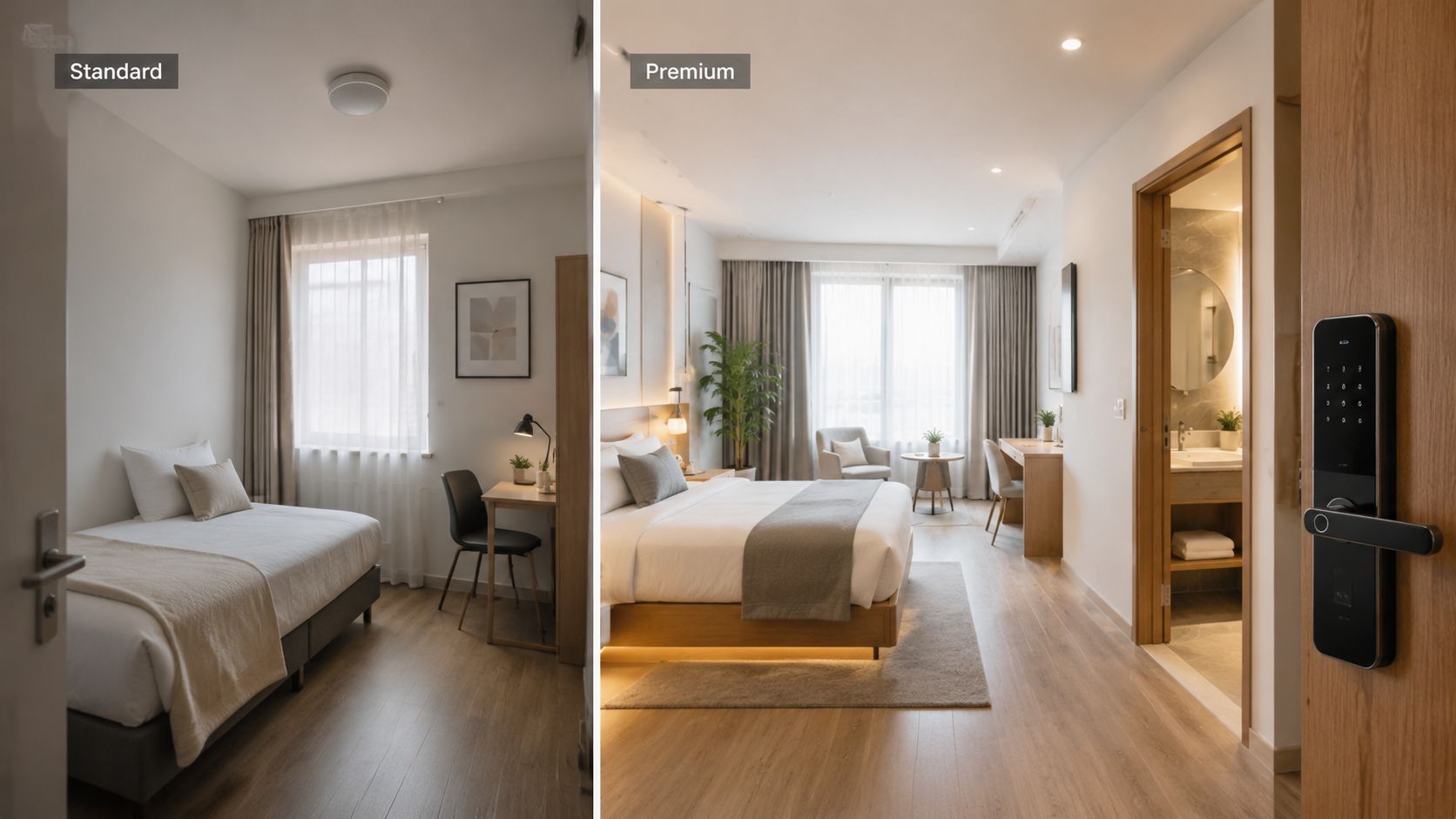
Amenity-based pricing is where co-living operators often find hidden NOI. Not every room in the same house deserves the same rent. A room with a private bath, better natural light, stronger privacy, or newer furniture can command more. Shared amenities also matter, especially when they reduce friction in day-to-day living.
The best part of this model is that it feels fair when you explain it well. Residents understand why one room costs more than another if the value difference is obvious. That transparency matters in shared housing, where price differences are visible inside the same property.
What Actually Earns a Premium
Some operators overestimate cosmetic upgrades and underestimate daily convenience. A fancy accent wall rarely moves rent for long. Reliable internet, private bath access, laundry convenience, secure entry, and solid climate control often matter more.
A useful way to view it:
- Room-specific value: Private baths, larger layouts, corner rooms, better noise separation.
- House-wide value: Smart locks, smart thermostats, quality furnishings, cleaner common spaces.
- Operational value: Features that reduce complaints and support smoother turns often protect pricing better than decorative upgrades.
Here's a quick visual on how room presentation changes perceived value:
Watch this room upgrade comparison on YouTube
This model is strong because it gives you a clean reason for price differences. It also helps you evaluate renovations more rationally. If an upgrade won't improve either lease-up speed or sustainable pricing power, it may not deserve capital this year.
The downside is consistency. If your listings don't clearly document amenity differences, prospects may assume your pricing is arbitrary. In room-by-room rentals, amenity-based pricing only works when photos, copy, and house standards back it up.
6. Segmentation-Based Pricing
Segmentation-based pricing means charging differently based on distinct renter groups, not just room characteristics. In co-living, those groups might include students, contract workers, new-to-city professionals, or residents seeking more stability and longer stays. Each segment values flexibility, furnishings, location, and house style differently.
This can be profitable, but it's also where operators can get themselves into trouble fastest. Shared housing is personal. If pricing feels opaque or discriminatory, you won't just lose leads. You can damage trust across the property.
The Ethical Line Matters Here
Segmented pricing is common across industries. Many airlines and hotels offer discounts of 10% to 20% for senior citizens or students, and tiered pricing plans can increase revenue per user by 20% to 30% compared to a single fixed price, according to Paddle's overview of dynamic pricing models. The co-living version of this isn't about copying airline tactics. It's about recognizing that different renter groups buy different combinations of certainty, convenience, and flexibility.
But there's a warning specific to shared housing. Data shows 68% of U.S. renters in shared housing perceive algorithmic price adjustments as discriminatory when those changes aren't explained transparently, according to Salesforce's article on dynamic pricing. That's the number every operator should remember before getting clever with personalization.
If you can't explain a price difference in plain language, don't deploy it.
What works in practice is segment-aware packaging, not secretive pricing. Offer clearly defined choices such as furnished versus unfurnished, flexible term versus longer term, or standard versus premium support. What usually doesn't work is changing price without clear notification based on assumptions a renter can't see or question.
This is one of the most powerful types of dynamic pricing, but in co-living it needs policy discipline, transparent messaging, and documented fairness rules.
7. Inventory-Based Pricing
A 12-room house has four vacancies hit at once after month-end move-outs. Another house across town has one open room in its best layout. Pricing those vacancies the same is how operators give away NOI.
Inventory-based pricing sets rates based on what is currently available, how similar those open rooms are, and how fast that specific batch is likely to lease. Occupancy-based pricing asks how full the property is overall. Inventory-based pricing asks what is left on the shelf right now and whether that supply should be protected or cleared.
For PadSplit-style and co-living operators, this matters most when rooms are close substitutes. If House A has three standard rooms open with the same shared bath setup, and House B has one larger room with better privacy, those openings should not follow one blanket pricing rule. The standard rooms may need a staged release strategy. The larger room may justify holding rate because there is no true substitute in the immediate pool.
Best for Operators Managing Room Batches, Not Just Single Vacancies
This model works well in portfolios where vacancies tend to arrive in clusters. That usually happens after synchronized move-outs, property onboarding, or a turn backlog finally clearing. In those moments, the risk is not just vacancy. It is training the market to wait for discounts because too many comparable rooms hit at the same price at the same time.
A practical inventory-based approach in co-living usually includes:
- Grouped inventory: Rooms are priced against similar open rooms, not against every vacancy in the portfolio.
- Release timing: You do not have to publish every ready room at once if staggered exposure gives the team time to test rate and demand.
- Scarcity protection: The last good room in a high-performing house should not inherit the discount used to move a weaker batch elsewhere.
- Aging rules: Price cuts are tied to time-on-market and inquiry quality, not panic.
Here is where operators get tripped up. Two rooms can look similar on a rent roll and still behave very differently in the market. A back-bedroom with quieter placement, stronger natural light, or easier bathroom access often leases faster than the front room near the entry. Inventory-based pricing only works if the grouping is honest.
The main trade-off is consistency versus speed. Aggressive batch pricing can fill rooms faster, but it can also create resident and prospect pushback if your team cannot explain why Room 3 is priced below Room 5 in the same house. The explanation has to be operational and visible. Different readiness date, different privacy level, different demand, or different place in the release queue.
Small operators can use this too.
They just need tighter rules, because with only a few vacancies, random-looking price changes are easy to spot and hard to defend. In practice, I have seen this model work best when operators set simple thresholds in advance: hold rate on scarce premium rooms, test modest concessions on larger batches, and adjust only after the leasing team has enough feedback to separate a pricing problem from a merchandising or turn-time problem.
8. Performance-Based Pricing
A room priced at $185 a week can outperform one listed at $205 if the cheaper room fills faster, collects more reliably, and keeps the bed occupied longer. That is performance-based pricing in co-living. The goal is stronger NOI at the house level, not a higher asking rent on paper.
For PadSplit-style operators, this matters because room revenue is only half the story. The other half is what each rate does to collections, stay length, support tickets, turns, cleaning, and the pace of refilling the room after move-out. If a certain price band brings in residents who churn in six weeks, pay late, or create repeated house issues, the listed rate was too high for the actual result.
The best operators price from outcomes backward. They look at which homes keep members longer, which room types refill cleanly, which price points convert without constant follow-up, and which houses break down operationally when rates get pushed too far.
Use performance-based pricing to track signals like:
- Retention by house and room type: A downstairs shared bath room may need a different rate strategy than an upstairs private bath room, even in the same property.
- Collections quality: Higher advertised rent means little if payment behavior gets weaker.
- Turn cost and downtime: Some rooms are cheap to reset. Others burn cash every time they go vacant.
- Lead-to-move-in conversion: If inquiries are high but qualified move-ins are low, rate may be out of line with the resident profile you want.
- Support and conflict load: Houses with more complaints, transfers, or rule violations often need an operational fix before they need a rate increase.
A practical example. Say House A and House B both have one furnished standard room open. House A usually keeps residents for months, has fast turns, and low conflict. House B has frequent transfers, more skipped payments, and longer vacancy between members. Matching the same price across both houses looks tidy in a spreadsheet, but it often reduces NOI. House A may support a premium. House B may need a lower entry price until operations improve.
This approach also keeps teams honest. Pricing cannot cover for weak screening, poor housekeeping standards, slow maintenance, or a bad house mix. If one property only leases when rates are cut, the problem may be the product, not the market.
The right rate is the rate that produces the best income after collections, turns, service load, and vacancy are counted.
Performance-based pricing takes more discipline than simpler models. Operators need clean reporting by home, room type, and resident outcome. They also need the patience to separate a pricing issue from an operations issue. But for portfolios with enough history, this is the pricing model that gets closest to the number owners value. NOI.
Comparison of 8 Dynamic Pricing Types
| Strategy | 🔄 Implementation complexity | 💡 Resource requirements | ⚡ Speed / efficiency | 📊 Expected outcomes | ⭐ Key advantages |
|---|---|---|---|---|---|
| Demand-Based Pricing | Medium–High, real-time algorithms and event triggers | Dynamic pricing engine, market/data feeds, automation tools | Fast, immediate rate adjustments to demand shifts | Higher peak revenue and improved occupancy balance | Maximizes revenue in peaks; highly responsive to market |
| Occupancy-Based Pricing | Medium, threshold logic per property | Occupancy sensors/CRM, property-level analytics, automation | Moderate, reacts when thresholds are crossed | Faster vacancy fills and steadier cash flow | Directly reduces vacancies; improves portfolio consistency |
| Competitor-Based Pricing | Low–Medium, market monitoring and matching | Competitor data feeds, market intelligence dashboards | Moderate, periodic updates (weekly recommended) | Competitive positioning; fewer lost leads to rivals | Simplifies pricing decisions; prevents being undercut |
| Time-Based Pricing | Low–Medium, tiered rates and calendar rules | Lease/booking management, messaging workflows | Variable, advance discounts require planning | Attracts mixed-term tenants; improved predictability | Incentivizes long-term commitments; smooths seasonality |
| Amenity-Based Pricing | Low–Medium, room classification and tiering | Room audits, upgrade investments, marketing assets | Moderate, pricing stable until amenities change | Higher yields for premium rooms; better segmentation | Captures premium value; justifies price differences |
| Segmentation-Based Pricing | High, multiple tiers and ongoing profiling | CRM, tenant data, targeted marketing and rulesets | Moderate, targeted offers may take time to convert | Higher revenue from high-value segments; maintained occupancy | Captures willingness-to-pay; enables tailored marketing |
| Inventory-Based Pricing | Medium–High, inventory tracking + elasticity models | Real-time inventory system, forecasting models, automation | Fast, prices adjust as inventory depletes or grows | Optimized yield as availability changes; quicker fills | Yield-management driven; data-led revenue optimization |
| Performance-Based Pricing | High, advanced analytics and long feedback loops | Historical P&L, tenant-quality metrics, analytics expertise | Slow, outcomes measured over months quarters | Improved NOI and reduced long-term turnover | Aligns pricing with profitability and retention strategies |
Choosing the Right Pricing Mix for Your Co-Living Portfolio
The best dynamic pricing strategy isn't one-size-fits-all. It's a hybrid. A smart co-living operator might use competitor-based pricing to set a market-aware baseline, layer on demand-based pricing when inquiry volume changes, and then apply amenity-based pricing for private baths, larger rooms, or better layouts.
That mix matters because room-by-room rentals are operationally uneven. One house may need occupancy-driven pricing because several rooms turned at once. Another may need performance-based pricing because the issue isn't demand. It's churn, poor room positioning, or weak resident fit. If you use the same pricing logic everywhere, you'll get inconsistent results and miss easy NOI gains.
For beginners, the safest path is to start with one or two models that are easy to explain. Competitor-based and occupancy-based pricing are usually the cleanest place to begin. They help you stop making emotional pricing decisions and create repeatable rules your team can follow. Once that foundation is stable, demand-based and amenity-based pricing usually add the next layer of value.
Segmentation-based pricing deserves extra care in co-living. It can be powerful, but residents need to understand why different offers exist. In shared housing, transparency isn't optional. If your pricing changes feel hidden or arbitrary, trust drops fast and lease-up can get harder, not easier.
The same principle applies to automation. Software can improve pricing discipline, but it won't save a bad pricing philosophy. You still need floors, ceilings, and clear reasons for every major adjustment. You also need your listings, photos, inquiry handling, and onboarding process to support the rate you're trying to achieve. Dynamic pricing works best when operations and pricing move together.
Another practical lesson. Don't judge a pricing model too quickly. Some changes help immediately by reducing vacancy. Others improve NOI over time by lowering turnover or protecting stronger resident quality. The right review window depends on the model and on how quickly your houses typically lease.
That complexity is exactly why we're building PadPulse. The goal isn't just to change prices faster. It's to combine multiple pricing approaches into one system that helps PadSplit hosts and co-living operators protect occupancy, raise revenue intelligently, and make better portfolio decisions every day. PadPulse's planned pricing engine is designed to run around the clock, applying the kind of structured logic that's hard to maintain manually once your room count grows. If that's the direction you're heading, joining the early adopter interest list is the simplest way to get beta access and put these strategies to work first.
If you run PadSplit-style or room-by-room rentals, join the PadPulse early adopter interest list to get updates on the Winter 2026 launch, limited beta access, and a first look at automated pricing, AI messaging, market intelligence, and smart-home workflows built specifically for co-living operators who want stronger NOI without adding more manual work.