8 Outbound Call Scripts for Co-Living Operators
May 2, 2026
A room opens on Tuesday. By Friday, you have had a handful of inquiries, two weak applications, and one prospect who already signed somewhere else. That is a normal week in co-living if the team relies on inbound alone.
Operators filling pad-style rentals need a repeatable outbound motion. Listings, referrals, and marketplaces still matter, but direct calls shorten vacancy, surface better-fit renters, and keep the pipeline from going cold when lead flow dips. In this model, speed matters, but fit matters just as much. A fast fill with the wrong house match creates turnover, complaints, and another vacancy a month later.
Good scripts solve for both. They give the caller a clear opener, a fast qualification path, and a clean next step. They also keep the conversation tied to the realities of shared housing: move-in timing, budget, work schedule, house rules, roommate fit, and whether the prospect can make a decision soon.
That matters even more in co-living because people are not choosing a unit in isolation. They are weighing price, furnished setup, neighborhood, shared spaces, and the feel of the home at the same time. If your team rambles, waits too long to qualify, or sounds generic, the lead moves on.
The scripts in this guide are built for the calls co-living operators make every week. Vacancy fill. Host recruitment. B2B management outreach. investor conversations. Resident retention. Partner deals. Market feedback. Competitive switch campaigns.
Each script also fits an operating stack, not just a sales moment. PadPulse can support the workflow behind the call, from tracking lead status and follow-up to standardizing resident communication and using room pricing data for shared rentals before the phone ever rings. That is the difference between a script collection and a real playbook.
1. The Vacancy Fill Script for Qualified Renters
A renter picks up during their lunch break. They have three tabs open, two tours already booked, and about four minutes before they hang up. That call needs to get to fit fast.
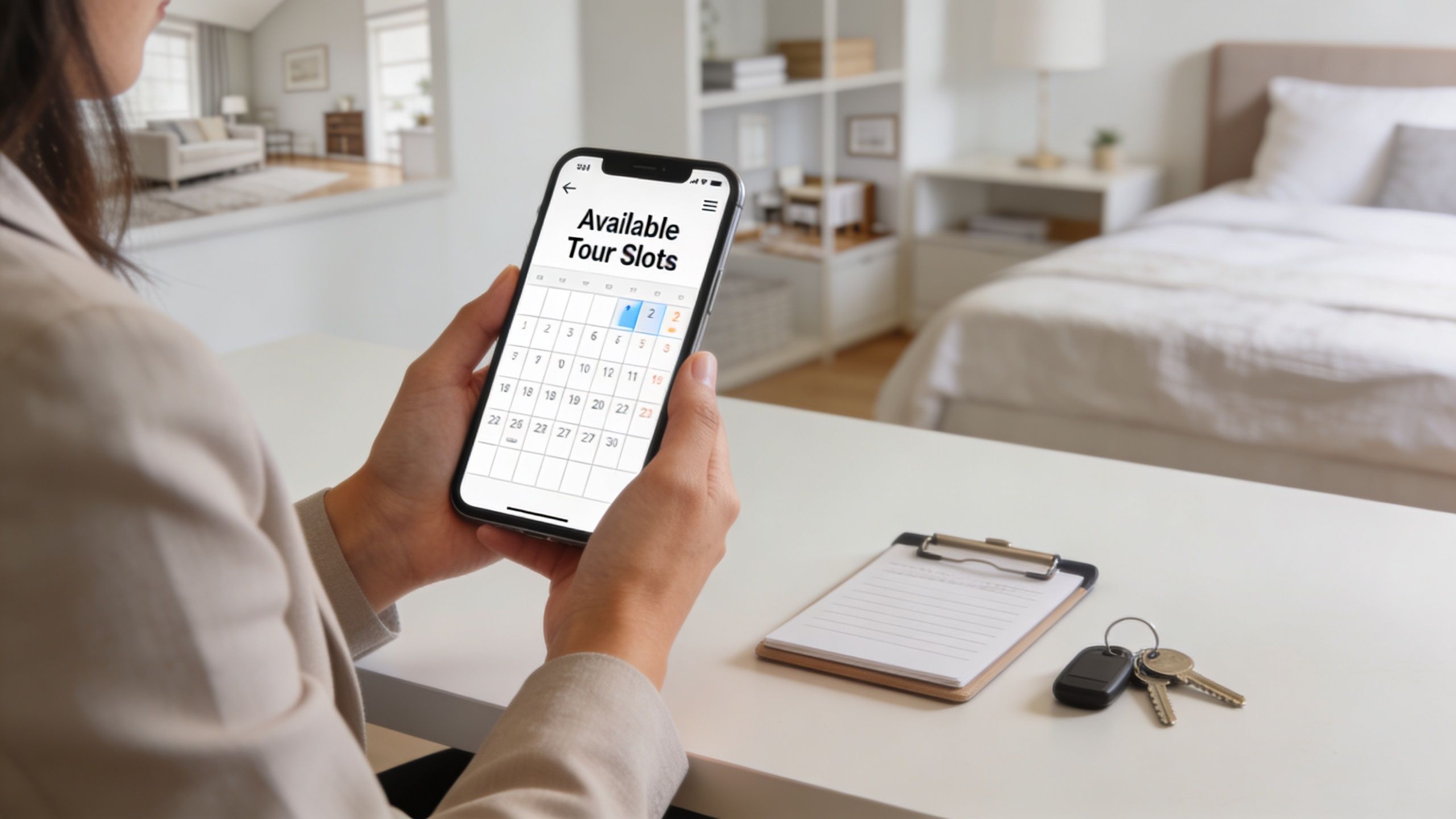
For co-living, the goal is not just to fill a room. The goal is to place the right renter into the right house, on a timeline that closes. A bad match costs more than a few extra vacancy days. It creates roommate friction, early turnover, and another leasing scramble.
My opener stays simple and specific:
“Hi [Name], this is [Your Name] with [Property or Company]. I’m calling because we have a furnished room open in [area] that looks close to what you asked about. It’s available around [date], and I wanted to check if you’re still trying to move soon.”
That works because it answers the prospect’s first question immediately. Why are you calling me?
If they are still in the market, qualify before you start pitching the kitchen, the patio, or the “great community vibe.” In pad-style rentals, the wrong fit usually shows up in five places first:
- Move-in date: “What date are you trying to move?”
- Budget: “What monthly range do you need to stay under?”
- Income: “Are you working right now, and can you document income?”
- House fit: “Do you want a quieter home, or are you comfortable in a more social setup?”
- Decision speed: “If the room checks your boxes, how soon could you apply?”
That last question matters more than a lot of teams realize. Interest is not the same as readiness.
Once you have those answers, give a direct recommendation:
“Based on what you told me, I think this room is worth seeing. The house lines up on budget, timing, and the kind of setup you want. I have tour times on [day] and [day]. Which one works better?”
Notice what the script is doing. It is not trying to “overcome objections” before they exist. It is narrowing uncertainty and moving the lead to a concrete next step.
For co-living operators, this script also works better when the caller has the operating context in front of them. If your team uses PadPulse, they should see lead source, preferred move date, showing status, and room availability before the call starts. That keeps the conversation grounded in the actual unit mix and workflow, not generic leasing talk. It also helps tie the call into the broader co-living property management workflow instead of treating leasing like a stand-alone task.
Pricing questions usually come next. Keep the answer short.
“The rate reflects the room size, furnishing level, location, and current demand for shared housing in this area. If you like the house, I can walk you through the numbers clearly during the tour.”
If you already use room-level pricing logic, keep that explanation consistent with the PadPulse guide to pricing rooms for rent. Consistency matters. If the ad says one thing, the caller says another, and the follow-up text says something else, trust drops fast.
One more practical note. Do not read amenities like a brochure. Pick one or two details that match what the renter said they care about. Near transit. Quiet house. Flexible move-in. Furnished room. Private bath. Specific beats long.
The strongest vacancy fill calls do three things well. They confirm the lead is real, qualify for house fit, and book the next step while intent is still high. In co-living, that discipline fills rooms faster and protects the house from bad placements.
2. The Host Recruitment Script for Property Owners
An owner picks up the phone already expecting a pitch about higher rent. That is usually the wrong place to start. Owners in co-living care about control, workload, and whether the income holds up once the day-to-day reality hits.
Start with the operating pain they already recognize:
“Hi [Name], this is [Your Name] with [Company]. I’m reaching out because a lot of owners looking at room-by-room rentals like the revenue potential, but they hesitate once they picture the extra coordination. How are you handling leasing, pricing, and tenant communication across your properties today?”
That opener works because it respects the trade-off. More rent sounds good. More complexity does not.
If they mention scattered systems, slow leasing, or too much owner involvement, move to a clear position:
“That’s the gap we solve. We help owners run co-living homes with a tighter operating system, so the property is not dependent on manual follow-up, inconsistent pricing decisions, or staff memory.”
Then explain the model in owner terms, not software terms.
“For the right property, room-by-room leasing can produce stronger income and spread vacancy risk across several rooms instead of one full unit. The trade-off is operational load. PadPulse helps us handle that load with one workflow for pricing, inquiries, communication, access, and reporting.”
That is usually the point where the owner wants specifics. Give them a few.
- Pricing control: “If one room is lagging, we can adjust at the room level instead of treating the whole house like one unit.”
- Faster leasing response: “Inbound interest gets routed and followed up in one place, which matters when you are filling several rooms at once.”
- Less owner admin: “Communication, showing activity, and occupancy tracking stay visible instead of living across texts, calls, and spreadsheets.”
Then make a low-friction ask:
“Would you be open to a short call to see whether one of your properties fits a co-living model, and what the operational setup would need to look like before you make any decision?”
That last clause matters. Good owners do not want to be rushed into a conversion. They want to understand fit. Property type, bedroom count, parking, shared-space layout, local demand, and house rules all affect whether the model works.
I also avoid selling PadPulse like a magic button. Owners trust you more when you say the hard part out loud. Co-living can outperform traditional leasing, but only if leasing, resident communication, and house operations stay organized week after week. The broader co-living property management workflow matters as much as the initial revenue projection.
If the owner sounds interested but cautious, use this follow-up:
“Totally fair. A lot of owners I speak with are not deciding between good and bad. They are deciding between a simpler model with lower coordination and a higher-touch model that can earn more if it is run properly. My job is to help you compare those options clearly.”
That framing lowers resistance because it sounds like real underwriting, not a canned pitch. In this niche, that is what gets the next meeting.
3. The Property Management Firm Script for B2B Operators
A property manager gets your call at 2:17 p.m. Leasing messages are sitting in one inbox, access issues are getting handled over text, and the regional lead is still waiting on a clean occupancy view across six houses. That is the environment you are calling into.
Generic software language dies fast here. Management firms want to hear that you understand how pad-style rentals break down in operations.
Open with the workflow pressure:
“Hi [Name], this is [Your Name]. I work with operators managing shared housing and pad-style rentals. I’m calling because these portfolios often end up with leasing activity in one system, resident communication in another, and access coordination living in texts and side conversations. Is that happening for your team too?”
That question works because it sounds like lived experience. It also gives them an easy way to confirm the problem without sitting through a pitch.
If they engage, move to the management layer, not the feature list:
“PadPulse was built for room-by-room operators who need one place to run pricing, lead follow-up, resident messaging, smart-home workflows, and reporting across multiple homes. The goal is simple. Fewer handoffs, fewer missed details, and a process your team can repeat property after property.”
For B2B operators, the sale usually turns on standardization. A firm can manage one messy co-living house through heroics. A portfolio is different. Once they hit several properties, inconsistency starts costing them in slower leasing, missed follow-up, uneven house rules, and owner reporting that takes too long to assemble.
Use talking points that match that reality:
- Portfolio visibility: See which homes are lagging on occupancy, response time, or pricing without pulling reports from different tools.
- Leasing consistency: Keep inquiry handling and follow-up inside one workflow so leads do not get lost between staff members.
- Access control: Tie entry and move-in coordination to a defined process instead of relying on memory and chat threads.
- Owner communication: Give clients cleaner reporting on house performance and operational activity.
Then make the ask small and specific:
“If that sounds close to what your team is dealing with, would you be open to a short pilot discussion around a small set of properties? I can show you what the rollout would look like, where the team would save time, and what would need to be true for it to work.”
That last line matters. Experienced property managers are not afraid of software. They are wary of bad implementation. Training load, migration effort, staff adoption, and owner-facing disruption are usually their actual objections.
I address that directly:
“We do not need to force a portfolio-wide change on day one. The right test is usually a contained group of homes where your team can compare the current workflow against a cleaner operating model.”
If the firm is in growth mode, point them to a broader operator and capital view through PadPulse's co-living investor and operator overview. That helps when the decision involves both the management team and the ownership side.
Here’s a product walkthrough worth using before or after that call:
Field note: Management firms rarely reject the concept first. They reject risk. A strong script lowers the perceived cost of change and shows that you know how co-living operations work at the property level and at the portfolio level.
4. The Investor Pitch Script for Capital Conversations
Investors don’t want a feature tour. They want a clear story about operating discipline.
The mistake I see most often is treating investor outreach like host recruitment. It isn’t the same conversation. Owners often ask, “Will this help me run a better property?” Investors ask, “Can this model scale cleanly, and can I trust the numbers?”
Start there:
“Hi [Name], this is [Your Name]. I work with room-by-room rental operators, and I’m calling because a lot of investors are looking at shared housing for stronger yield, but the real question isn’t demand. It’s whether the operations can scale without becoming messy.”
That line gets to the issue fast.
What investors actually care about
Once they engage, anchor the conversation around control systems.
“PadPulse is being built to give operators one place to manage pricing, communications, access workflows, and portfolio reporting. For investors, that means cleaner operational visibility and a more repeatable playbook across properties.”
Then walk through the investor lens:
- Standardization: Repeated processes are easier to underwrite than operator instinct.
- Visibility: Investors want to see which assets are underperforming and why.
- Execution risk: Fragmented systems make expansion harder.
- Exit readiness: Organized operations usually tell a better story in diligence.
This is also where AI can be framed carefully. AI isn’t the headline. Better response speed and tighter execution are. Retell AI cites a projected 30% increase in connection rates and 25% uplift in conversions by 2025 for AI-powered cold calling. For an investor, the takeaway isn’t “AI is hot.” It’s that structured automation can improve reach and consistency when paired with a real operating process.
A low-pressure close works best:
“Would it be useful to see how we think about the infrastructure side of scaling co-living portfolios, even if you’re still evaluating where to deploy capital?”
If the conversation gets serious, send them to the PadPulse investor page. Keep the follow-up short, and keep it operational.
5. The Tenant Communication Script for Retention and Referrals
A resident picks up expecting bad news. Instead, they get a useful update, a quick check-in, and a simple way to reach the team. Those calls do more for retention than another bulk text ever will.
For co-living and pad-style rentals, this call has a specific job. Keep residents informed, catch small issues before they turn into move-outs, and create an easy path for referrals when the fit is right. PadPulse helps here because the operator can call with context instead of guessing. You can see the resident, unit, communication history, and open issues before dialing.
A practical opener:
“Hi [Name], it’s [Your Name] from [Property]. I wanted to give you a quick update on a few items that affect daily living, and then make sure nothing on your end needs attention.”
That opening works because it respects the resident’s time. It also sounds like operations, not marketing.
What to cover on the call
Start with one concrete update. In co-living, that usually means something tied to shared living friction: access instructions, cleaning cadence, maintenance request flow, quiet hours enforcement, guest policy, or how to message the team through PadPulse.
Then ask a question that gets a real answer:
“What’s one thing that would make living here easier this month?”
I’ve found this gets better feedback than broad satisfaction questions. Residents will tell you where the process breaks. Slow maintenance follow-up, unclear house rules, roommate friction, or too many scattered communication channels usually come up fast.
If the resident sounds satisfied, move to referrals without forcing it:
“Glad to hear things are in a good place. If you know someone who’d be a fit for this kind of shared housing setup, I can text you the application link and a quick summary of who the house works well for.”
That last part matters. In co-living, every referral is not a good referral. The goal is fit, not volume. A resident who understands the house culture can send better leads than any generic listing if you make the handoff simple.
Keep the structure tight:
- Lead with a real update: Give the resident something useful in the first 20 seconds.
- Ask one focused question: Get one operational insight you can act on.
- Use PadPulse notes: Log the issue, owner, and follow-up before the next call gets missed.
- Offer referrals selectively: Ask only after the resident signals that the experience is positive.
- Close with one contact path: “If anything comes up, reply to my text and our team will pick it up.”
A clean close sounds like this:
“Thanks for the time. I’m sending over the update and contact info by text so you have it handy. Let us know if anything comes up.”
Residents refer friends when the house runs well, communication is clear, and problems get handled without repeat explaining. The call should reinforce that standard.
6. The Integration Partner Script for Ecosystem Deals
You call a smart-lock vendor, a screening provider, or an accounting platform, and they assume you want a generic affiliate deal. That is usually where partner outreach goes sideways. Ecosystem calls work when you lead with an operator problem you can solve together.
Use an opener that makes the overlap obvious:
“Hi [Name], this is [Your Name] with PadPulse. We work with co-living and pad-style rental operators managing room-by-room leasing, resident communication, and property workflows. I’m reaching out because your product already covers a piece of that stack, and I wanted to see whether a referral partnership, pilot, or integration would be worth a short working session.”
That framing does two things. It shows you understand their place in the stack, and it keeps the ask small.
Partner calls also need more specificity than ordinary outbound. A smart-lock company may care about access events and credential sync. A screening provider may care about application status, approvals, and handoff speed. An accounting platform may care about charge data, payout timing, and fewer manual exports. If you pitch all of them the same way, the call sounds lazy.
A strong middle section sounds like this:
“Our operators are trying to run shared housing without bouncing between five disconnected tools. When your product connects to PadPulse, the operator gets a cleaner workflow in one system, and your team becomes part of the day-to-day process instead of another tab they have to remember to check.”
Then make the value concrete for the category you are calling:
- For smart-home vendors: “Your access product becomes part of move-in, room turns, and lockout handling, not just a standalone tool.”
- For screening companies: “You help with resident qualification. We help operators route that decision into leasing and occupancy workflows.”
- For accounting tools: “We can reduce spreadsheet handoffs and give operators a clearer path from rent activity to reconciliation.”
- For communication vendors: “Your messaging tool gets more useful when it connects to house operations, leasing status, and resident records.”
Clarity matters here. State your name, company, and reason for calling in the first few seconds. Partner teams screen for vague business development pitches fast, and broad co-marketing language usually gets ignored unless there is a real workflow behind it.
Use a close that gives them one next step:
“Would you be open to a 20-minute working session with someone from partnerships or product to see whether a referral arrangement, pilot, or API integration makes sense?”
I prefer that over talking about logos, launch announcements, or joint webinars too early. In co-living, the primary test is operational fit. If the integration helps operators fill beds faster, manage houses with fewer manual steps, or keep resident data cleaner inside PadPulse, the commercial conversation gets much easier.
7. The Market Research and Feedback Script for Beta Recruitment
You call a co-living operator at 4:30 p.m. They have a room turn behind schedule, two no-shows to chase, and a pricing question from a house lead. If your beta pitch sounds like a soft sales call, you lose them fast. The call only works when it sounds like what it is: operator research tied to a product built for pad-style rentals.
Use a direct opener:
“Hi [Name], this is [Your Name] with PadPulse. I’m calling a small group of co-living operators to understand where room-by-room workflows still break, especially around pricing, tenant communication, and reporting. If it’s relevant, we’re inviting a few operators into our beta and I wanted to see whether you’d be a fit.”
That script does two jobs. It shows you know their model, and it makes the beta feel selective instead of promotional.
How to recruit early adopters who will actually give useful feedback
Bad beta users say yes, poke around once, and disappear. Good beta users have operational pain, clear opinions, and enough volume to stress-test the product in live conditions.
Set that expectation early:
“We’re looking for operators who manage shared housing at the room level and are willing to tell us where the workflow holds up and where it fails. If that sounds useful, I can walk you through what we’re testing and what we’d ask from you.”
Then get specific about the exchange. In co-living, vague beta offers attract curiosity, not commitment.
- What they get: Early access to PadPulse, direct input into roadmap decisions, and contact with the team building for co-living operations.
- What you need: Feedback on room pricing, lead follow-up, resident messaging, access issues, and reporting gaps.
- What participation looks like: One setup call, real usage inside their operating flow, and occasional feedback when something works or breaks.
- What lowers the risk: They can test the product before making any long-term decision.
I also like asking one pressure question before the invite:
“What part of your current setup feels most patched together today. Pricing, communication, reporting, or something else?”
That answer gives you the angle for the rest of the call. If they mention missed follow-up, talk about communication workflows inside PadPulse. If they mention messy room pricing, stay there. Beta recruitment gets stronger when the operator can see their own problems reflected back in the product.
Existing script advice is heavily B2B and often misses how different shared housing operations are from standard apartment leasing. Prospeo highlights a significant gap around high-volume, low-conversion lead lists in shared housing markets. That is why this call should stay anchored to operating pain, not feature hype.
A close I’ve used:
“If your team has ever felt forced to piece together tools built for standard multifamily instead of room-by-room rentals, you’re exactly the type of operator we want to hear from. Would you be open to a short beta fit call next week?”
8. The Competitive Displacement Script for Switching from Incumbents
An operator answers the phone already irritated. Their team is bouncing between spreadsheets, a generic PMS, separate texting tools, smart-lock dashboards, and manual room pricing. They do not need a lecture on software. They need to know whether switching will reduce work or create more of it.
That is the frame for this call.
Open with a question that exposes operational drag fast:
“Hi [Name], this is [Your Name]. I work with co-living operators running room-by-room rentals. Quick question. What systems are your team using today for pricing, resident communication, and access?”
Pause.
Let them describe the stack in their own words. Listen for duplicate entry, missed follow-up, delayed lock changes, scattered reporting, and pricing that lives in someone’s head or a spreadsheet. Those are the pressure points that make a displacement call real.
Then reflect the problem back with specificity:
“That helps. It sounds like your team is managing one resident journey across several tools, and each handoff creates extra admin or room for mistakes.”
Now position PadPulse in the language of operations, not software theory:
“PadPulse is built for pad-style and co-living workflows. It pulls room pricing, resident messaging, access coordination, and reporting into one operating system, so your team is not stitching together tools built for standard multifamily.”
That niche point matters. A standard apartment leasing stack can survive unit-level workflows. Shared housing breaks there. Room turns move faster, communication volume is higher, and pricing decisions happen at the bed or room level, not just the unit level.
Use a simple comparison that keeps the conversation grounded:
- What they have now: Separate tools, repeated tasks, limited visibility across the resident lifecycle.
- What PadPulse changes: One place to run pricing, communication, and property workflows tied to room-by-room operations.
- What stays risky if they wait: Slow replies, inconsistent pricing, access errors, and reporting gaps that only show up after a problem hits.
Migration anxiety is usually the primary objection, so address it early and directly:
“We do not recommend ripping out everything at once. The cleanest switch usually starts with one property, one team, or one workflow, then expands once the process is working.”
I have found that this lowers resistance more than any feature pitch. Operators who have been burned by clunky onboarding are listening for risk control. Give it to them.
If they ask why a specialized system matters, keep the answer practical:
“Co-living operations are heavier on messaging, turns, access coordination, and room-level pricing than standard rentals. General property software can cover pieces of that, but teams usually end up filling the gaps with manual work.”
PrimeBPO makes a useful point about automation-first workflows versus human script delivery. In this niche, the best setup is mixed. Use software for repeatable communication and workflow control. Use people for objections, exceptions, and trust.
Close for the next step, not the full replacement:
“If it makes sense, we can look at one property and map where your current stack is slowing the team down. If PadPulse is a fit, we start small and make the transition manageable. Would you be open to that conversation next week?”
A displacement call rarely closes on the first touch. That is normal. The job of the first call is to surface operational pain, show that PadPulse was built for co-living instead of generic rentals, and make the switch feel controlled.
8-Point Comparison of Outbound Call Scripts
The eight scripts above do different jobs, so the useful comparison is not “which script is best?” It is “which script fits the call, the sales cycle, and the team you have?”
In co-living, that matters more than it does in standard rentals. A vacancy call can move in hours. A host or management conversation can take weeks or months because the buyer is weighing room-level operations, staffing, tech adoption, and margin. If you run these through the same outbound motion, performance drops fast. PadPulse helps here because the handoff from call to workflow is built around co-living tasks, not generic leasing steps.
Here is the practical view:
| Script | Primary Goal | Sales Cycle | Team Load | Best Fit | What usually wins the call |
|---|---|---|---|---|---|
| The Vacancy Fill Script for Qualified Renters | Book tours and fill rooms | Short | Low to medium | Empty rooms, warm lead lists, urgent occupancy gaps | Speed, clear qualification, specific room fit |
| The Host Recruitment Script for Property Owners | Start owner conversations and move to demo | Medium to long | Medium | Small landlords, hosts, owners testing co-living income | NOI story, operational clarity, proof the model is manageable |
| The Property Management Firm Script for B2B Operators | Open pilot or platform review | Long | High | Firms managing larger room counts across properties | Multi-property reporting, workflow control, fewer manual handoffs |
| The Investor Pitch Script for Capital Conversations | Secure follow-up with serious capital partners | Long | High | Capital providers evaluating growth and operating discipline | Unit economics, repeatability, market discipline |
| The Tenant Communication Script for Retention and Referrals | Reduce churn and generate referrals | Short | Low | Existing residents, referral pushes, amenity changes | Clear ask, timing, resident trust |
| The Integration Partner Script for Ecosystem Deals | Test technical and commercial fit | Medium | Medium to high | Screening, locks, payments, accounting, access tools | Shared customer value, implementation practicality, distribution upside |
| The Market Research and Feedback Script for Beta Recruitment | Get usable feedback and recruit early testers | Short to medium | Low | Early adopters, operators willing to test new workflows | Specific problem statement, light commitment, fast feedback loop |
| The Competitive Displacement Script for Switching from Incumbents | Earn a pilot or migration review | Medium | Medium | Operators frustrated with fragmented tools or generic PM software | Risk control, migration plan, visible operational gains |
A few trade-offs show up every time.
Short-cycle scripts need call discipline more than polish. The vacancy fill and tenant communication calls work best when the rep gets to fit, timing, and next step quickly. Long-cycle scripts need stronger discovery and cleaner follow-up. That is where notes, objection tracking, and task routing inside PadPulse start to matter because the first call is rarely the whole sale.
The other split is operational complexity. Investor, management firm, and displacement calls carry more internal work after the conversation. Someone has to scope the pilot, answer workflow questions, and map the rollout. If the team cannot support that next step, a strong script will still stall.
That is why I treat this comparison as a staffing and process check, not just a messaging check. Pick the script based on deal shape, then make sure the backend can support what the rep promises on the phone.
Your Next Call Is Your Next Opportunity
A good outbound call script doesn’t make you sound more scripted. It makes you sound clearer. That’s the difference. In co-living, clarity beats charm almost every time because the people you’re calling are usually deciding under pressure. A renter needs housing soon. An owner is frustrated with operations. A manager wants fewer moving parts. An investor wants cleaner execution.
That’s why outbound call scripts should be built around the core job of the call. Not a generic pitch. Not a bloated feature rundown. One call should book a tour. Another should open a host conversation. Another should test partner fit. If you use the same script shape for all of them, you’ll get shallow conversations and weak follow-up.
A few patterns hold up across every scenario. Say why you’re calling early. Ask questions that surface fit quickly. Make the next step small and specific. Don’t dump information on people who haven’t earned that level of detail yet. And don’t confuse automation with communication. Software can speed up follow-ups, reminders, scheduling, and routing. It can’t replace judgment when a prospect is hesitant, confused, or comparing your property against three others.
It also helps to remember the baseline. Outbound is hard by nature. Connection rates, answer rates, and conversions all depend on timing, list quality, caller reputation, and follow-through. That’s exactly why process matters. In the broader outbound world, structured scripts with daily practice and call recording outperform unstructured approaches by 42% in growth. Co-living operators should take the same lesson seriously. A reusable script is not a crutch. It’s operating discipline.
If you’re just getting started, don’t roll out all eight scripts at once. Pick one or two that match the pressure point in your business right now. If you have empty rooms, start with the vacancy fill script and the resident referral script. If your growth depends on supply, start with host recruitment. If you’re scaling, focus on management firms, investors, and incumbents using disconnected tools. Train the opener. Practice the transition questions. Tighten the close. Then review what occurred on calls and improve from there.
The operators who do this well don’t wait around for perfect inbound flow. They build pipeline on purpose. They know which conversations need a human touch and which ones can be supported by automation. They know a fast response is only useful if the message is relevant. And they know every outbound call is a chance to learn where their pitch is still fuzzy.
Your next filled room, new host, software pilot, or investor meeting may start with a short call that gets to the point. That’s the advantage. Not volume for its own sake. Precision, repetition, and a script built for the way co-living really works.
If you want a simpler way to put these outbound call scripts into practice, PadPulse is building an all-in-one platform for co-living and PadSplit-style operators. Join the interest list to follow the Winter 2026 launch, explore beta access, and get updates on tools for pricing, messaging, smart-home workflows, and portfolio reporting.