The Ultimate Checklist for Maintenance: 10 Areas to Protect Your Rental Property
July 26, 2026
Running a successful rental property, especially a co-living or PadSplit-style home, means managing many small details. While collecting rent and finding tenants are important, proactive maintenance is the hidden key to profitability. Small issues like a leaky faucet or a flickering light can quickly turn into expensive repairs, unhappy residents, and bad online reviews. In a shared home, these problems affect multiple people at once.
This is why a structured checklist for maintenance is essential. It's not just good practice; it’s a core part of protecting your investment. Reacting to problems only when they break leads to higher emergency repair costs and more tenants leaving. A proactive system, on the other hand, helps you catch small issues before they become big disasters, saving you time and money.
This guide provides a detailed, actionable checklist of ten critical maintenance areas specifically for rent-by-the-room properties. You'll learn what to inspect, how often to do it, and why each task is important for your bottom line. With this checklist, you can create a safe, efficient, and profitable property that tenants are happy to call home.
1. Smart Lock and Access Control System Inspection
In a co-living home, security is about managing access to multiple rooms for different tenants. A regular inspection of your smart locks is a non-negotiable part of any modern maintenance checklist. This means checking more than just whether a door locks; you need to ensure the entire security system is working, from batteries to digital access logs.
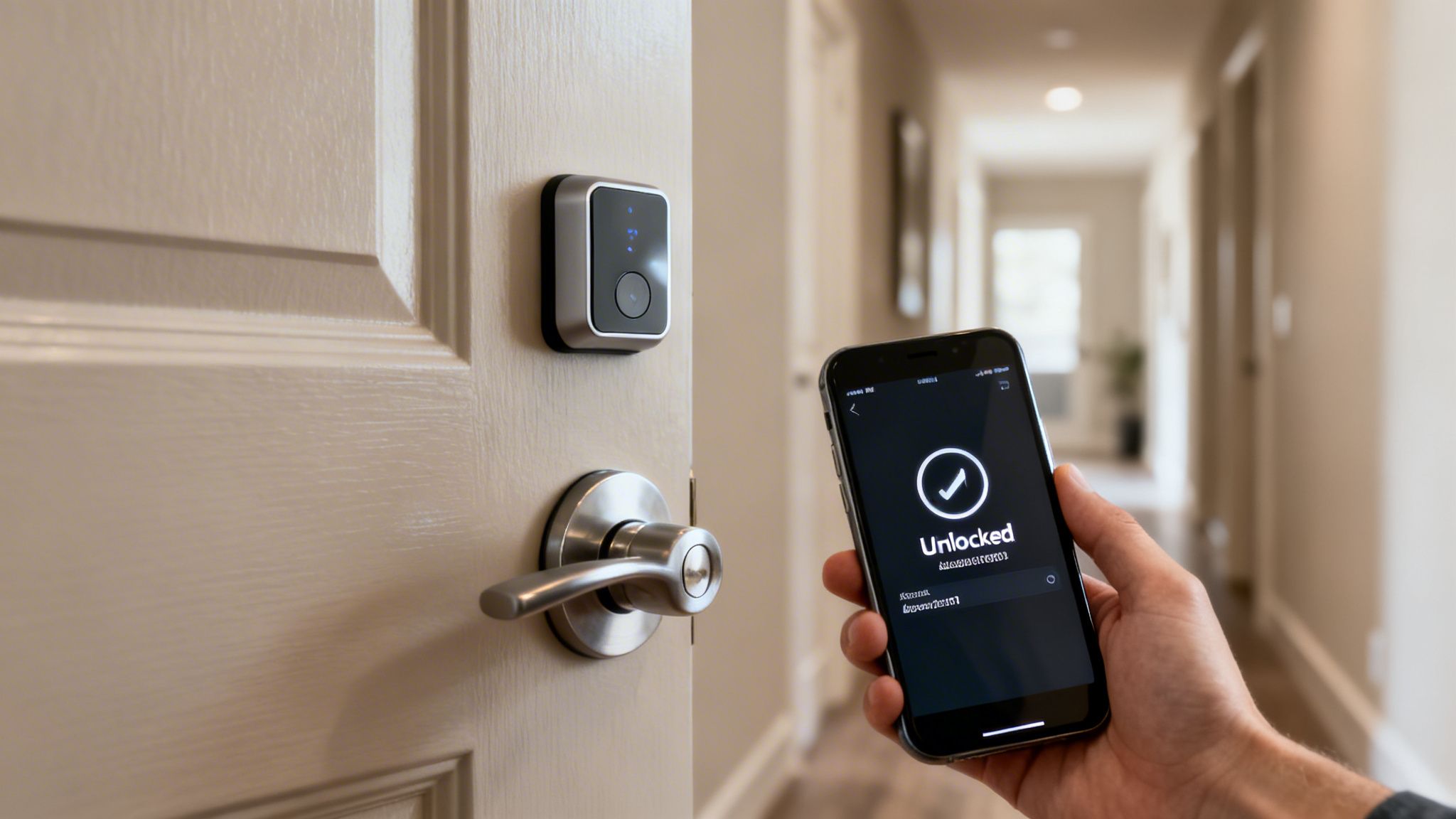
For multi-tenant rentals, smart locks give you detailed control. You can grant and revoke access for each room remotely, which stops unauthorized entry and gets rid of the risk of lost or copied keys. Following a regular inspection routine is key to making this security strategy work, ensuring tenant safety and giving you peace of mind.
Actionable Inspection Tips
To keep your access system reliable, add these tasks to your checklist for maintenance:
- Monthly Battery Check: Don't wait for a low-battery warning. Check the battery levels on all smart locks every month using your management app. A good rule of thumb is to replace batteries when they fall below 20% to avoid lockouts.
- Weekly Log Review: Review access logs for all doors each week. Look for anything unusual, like repeated failed entry attempts or access at odd hours, which could signal a security concern.
- Quarterly Override Test: Test the physical key override or any backup access method for each lock. This ensures you can still get in during a power outage or system failure.
- Audit Trail Documentation: When a tenant moves out, immediately revoke their digital access and make a note of the change. This creates a clear record of who has access and when.
Key Takeaway: The goal is prevention. A dead smart lock battery can be a bigger emergency than a leaky faucet because it directly affects a tenant's access to their private room. By performing these simple checks, you create a more secure and professional living environment. For help choosing the right hardware, see this guide on the best smart lock for Airbnb and rental properties.
2. HVAC and Thermostat Monitoring and Calibration
In a co-living property with many tenants, keeping everyone comfortable with the temperature can be tricky. A well-managed HVAC (heating, ventilation, and air conditioning) system does more than just stop complaints; it helps control your energy bills and keeps your equipment running longer. Regular checks and adjustments are a vital part of any property maintenance checklist.
For properties with several rented rooms, smart thermostats can manage temperatures room-by-room and lead to big energy savings. For example, some property owners have cut their energy bills by up to 15% after installing them. This proactive approach to climate control protects your investment by helping to avoid expensive emergency repairs.
Actionable Inspection Tips
To keep your HVAC system running smoothly, add these tasks to your checklist for maintenance:
- Quarterly Filter Replacement: Change your HVAC filters every 90 days, or more often if the manufacturer suggests it. Dirty filters make the system work harder and use more energy.
- Seasonal Professional Inspection: Schedule a professional HVAC tune-up twice a year—once in the spring before it gets hot and once in the fall before it gets cold. This helps catch small issues before they turn into major breakdowns.
- Monthly Sensor Cleaning: Gently wipe the sensors on your thermostats with a soft, dry cloth each month. Dust and dirt can lead to incorrect temperature readings, causing the system to run when it doesn't need to.
- Annual Thermostat Calibration: Once a year, check if your thermostat's temperature reading is accurate by comparing it to a separate, reliable thermometer. If they don't match, you may need to recalibrate it.
Key Takeaway: Consistent HVAC maintenance is an investment, not just an expense. A neglected system can fail early, costing thousands to replace. Routine checks, on the other hand, reduce energy waste and help your equipment last longer. For more ideas on improving your property's efficiency, check out these energy efficiency retrofits.
3. Plumbing System Inspection and Leak Detection
In a co-living property where multiple tenants share kitchens and bathrooms, the plumbing system is under constant stress. A proactive plumbing inspection is essential to prevent major water damage and costly repairs. This means doing more than just fixing a dripping faucet; it involves regularly checking pipes, drains, and fixtures to catch small problems before they flood your property.
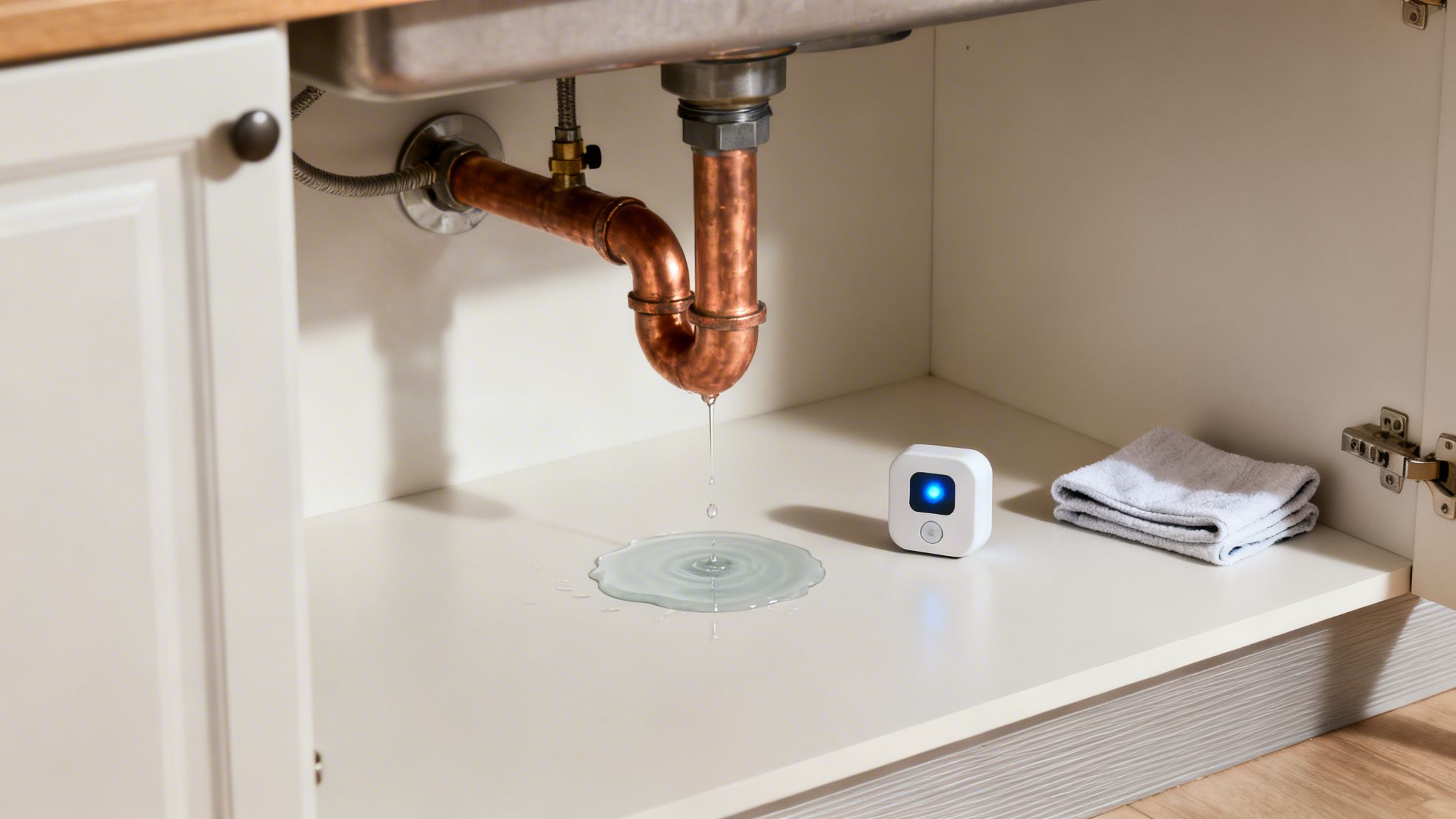
For property owners, a small, hidden leak under a sink can quickly lead to rotted cabinets, damaged floors, and even mold. By adding regular inspections to your checklist for maintenance, you can find these issues early. Some landlords have saved over $5,000 in potential damages by finding minor leaks during routine checks. This preventative approach protects your investment and ensures a safe, healthy home for your tenants.
Actionable Inspection Tips
To keep your plumbing in good shape and prevent water emergencies, add these tasks to your routine:
- Monthly Visual Inspection: Look under all sinks, behind toilets, and around water heaters for any signs of moisture, water stains, or damp spots on the walls or floors.
- Valve Function Test: Every month, turn the shut-off valves for each sink, toilet, and shower to make sure they move smoothly and can fully close. This is crucial for stopping a leak quickly in an emergency.
- Monitor Water Bills: Keep an eye on your water bills for any sudden, unexplained increases. A big spike in usage often signals a hidden leak somewhere.
- Install Water Detectors: Place inexpensive smart water leak detectors in high-risk areas like laundry rooms, basements, and under kitchen sinks to get immediate alerts.
- Document and Label: Clearly label the main water shut-off valve for the property and make sure both you and your tenants know where it is and how to use it.
Key Takeaway: A slow leak can silently destroy your property. A simple, repeatable inspection process helps you catch problems at their earliest stage. During colder months, be prepared for other issues. Reviewing what to do when water pipes freeze can help you prevent them from bursting and causing major damage.
4. Electrical System and Safety Inspection
In a co-living property, where multiple tenants use their own electronics, the risk of overloading electrical circuits is much higher than in a single-family home. A thorough inspection of your electrical panel, outlets, and wiring is a critical part of your checklist for maintenance. This helps ensure safety and prevent fire hazards. It's about understanding your property's electrical limits and setting rules to protect both your tenants and your investment.
Ignoring electrical safety can have devastating consequences. Older properties are especially at risk because their wiring wasn't designed for today's high demand from multiple refrigerators, microwaves, and TVs running at the same time. Proactive inspections help you find and fix issues, like not having enough outlets, which can lead tenants to use unsafe extension cords.
Actionable Inspection Tips
To maintain a safe electrical system and prevent emergencies, add these specific tasks to your routine:
- Annual Professional Audit: Hire a licensed electrician every year or two for a complete inspection. They can spot hidden problems like overloaded circuits, old wiring, or faulty breakers that you might miss.
- Monthly GFCI Outlet Test: Test all Ground Fault Circuit Interrupter (GFCI) outlets in kitchens, bathrooms, and laundry areas every month. Just press the "TEST" button to cut the power, then "RESET" to restore it. This confirms they're working to prevent electric shock.
- Clear Panel Labeling: Your electrical panel should be clearly and accurately labeled, showing which rooms and major appliances each circuit breaker controls. This is extremely helpful during an emergency.
- Tenant Appliance Policy: Your lease agreement should clearly state that high-power appliances, like portable space heaters, are not allowed in tenant rooms. This rule helps prevent circuits from overloading.
- Document All Work: Keep detailed records of all electrical inspections and repairs, including any permits and contractor information. This paperwork is essential for insurance and shows you're being a responsible landlord.
Key Takeaway: An electrical fire is a property owner's worst nightmare. Regular testing and professional audits shift your approach from reactive to preventive. By managing your property's electrical load and making sure everything is up to code, you create a much safer environment for everyone.
5. Roof and Gutter Inspection and Cleaning
In a co-living property, a single roof leak can grow from a small drip into a huge problem, affecting multiple rooms, common areas, and even the building's structure. Not maintaining your roof and gutters is a big risk that can lead to expensive water damage, mold, and emergency repairs. A proactive inspection routine is a key part of any effective checklist for maintenance, protecting your property from the top down.
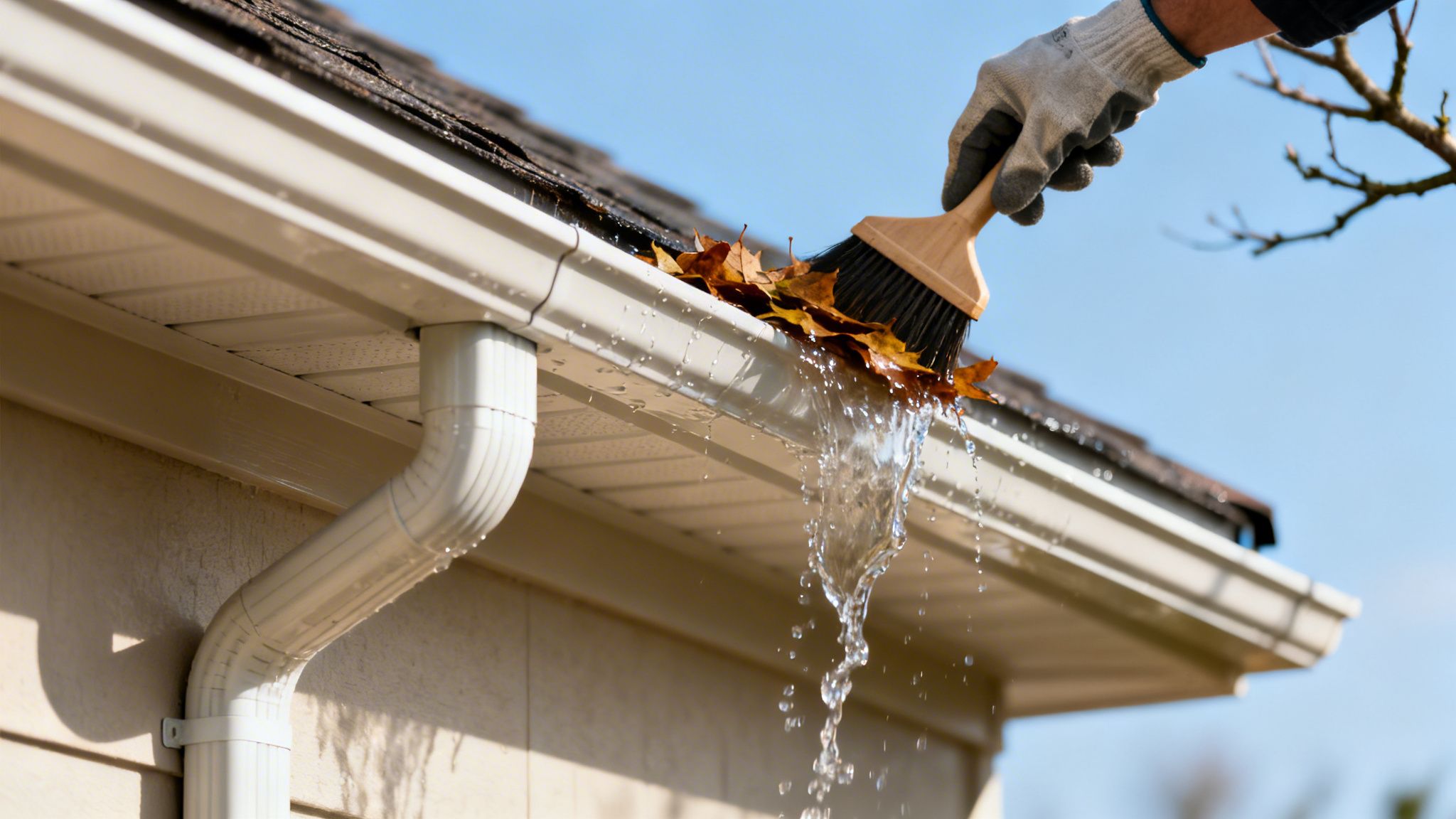
For rental homes, clogged gutters are a main cause of water damage, pushing water under shingles and into walls. By regularly cleaning them and checking the roof's condition, you not only prevent immediate problems but also help your roof last longer. This preventive work lets you budget for an eventual roof replacement years in advance, instead of being forced into it by a sudden failure.
Actionable Inspection Tips
To protect your property from water damage, add these tasks to your maintenance schedule:
- Biannual Roof Assessment: Schedule a professional roof inspection twice a year, ideally in the spring and fall. A roofer can find damaged shingles, worn-out flashing, and other weak spots before storms hit.
- Quarterly Gutter Cleaning: Clear all gutters and downspouts of leaves and debris every three to four months, especially after the fall or big storms. This ensures water can flow freely away from your foundation.
- Post-Rain Interior Check: After a heavy rain, walk through the top floors and attic. Look for any new water stains on ceilings or walls, which are early warning signs of a leak that needs immediate attention.
- Strategic Tree Trimming: Trim any tree branches that hang over the roof. This simple step reduces debris in gutters and stops branches from scraping and damaging shingles during high winds.
- Document and Photograph: During each inspection, take clear photos of the roof, gutters, and any areas of concern. This creates a visual history that helps track wear and tear and is useful for any insurance claims.
Key Takeaway: Water is a property's greatest enemy. On a multi-tenant property, clogged gutters don't just cause an outside issue; they can lead to inside leaks that displace tenants. By making roof and gutter care a documented part of your maintenance plan, you protect your investment and ensure a safe, dry home for everyone inside.
6. Fire Safety Equipment Testing and Compliance
In a busy co-living home, fire safety is a matter of life and death. Regularly inspecting fire extinguishers, smoke detectors, and carbon monoxide alarms is a critical part of any property management checklist for maintenance. This is more than a quick look; it's a systematic process to make sure every safety device is powered, working, and meets local safety codes.
For multi-tenant properties, the risk of fire is higher, making early detection systems essential. A fire that might be small in a single-family home can become a disaster in a shared house if detectors fail. Proactive testing and keeping records not only save lives but also protect property owners from liability, big fines, and potentially losing their business.
Actionable Inspection Tips
To maintain a safe and compliant property, add these fire safety tasks to your regular maintenance schedule:
- Monthly Detector Tests: Press the "test" button on every smoke and carbon monoxide (CO) detector in the house each month. This quick check confirms the alarm is working.
- Semi-Annual Battery Replacement: Don't wait for the low-battery chirp. Proactively replace the batteries in all detectors twice a year. A good habit is to do this when you change your clocks for daylight saving time.
- Monthly Extinguisher Inspection: Visually inspect all fire extinguishers. Check that the pressure gauge is in the green zone, the pin is secure, and there is no damage.
- Decade-End Replacement: Smoke and CO detectors expire, usually after 10 years. Replace the entire unit at the end of its life, even if it seems to be working. Write the replacement date on the new device.
- Professional System Certification: If your property has a hardwired fire alarm system, schedule an annual inspection with a licensed technician, as required by most local fire codes.
Key Takeaway: Documenting every test is as important as doing it. Keep a log with dates, who did the inspection, and the status of each device. This paperwork is your proof of diligence for inspectors and insurance companies, showing your commitment to tenant safety.
7. Structural Integrity and Foundation Inspection
Beyond the daily wear and tear from tenants, the very structure of your property needs regular attention. A structural and foundation inspection is a crucial, often forgotten, part of a good maintenance plan. It involves checking the foundation, walls, and basement for issues like settling, cracks, or moisture before they threaten the building's safety and lead to massive repair bills.
In a co-living property, a hidden structural problem can affect every tenant and the future of your investment. For older properties, which are common in the co-living market, this inspection is even more important. Finding foundation issues early by watching for cracks can be the difference between a minor fix and a five-figure overhaul.
Actionable Inspection Tips
To protect your property's long-term value, build these tasks into your checklist for maintenance:
- Annual Photo Documentation: Once a year, take detailed photos of the foundation, basement, and key walls. This creates a visual timeline, making it easier to spot gradual changes or new cracks.
- Quarterly Crack Monitoring: For any existing cracks in the foundation or walls, mark the ends with a pencil and date, or place tape over them. Check quarterly to see if the cracks are getting longer or wider.
- Post-Weather Water Checks: After heavy rain or snowmelt, inspect the basement and crawl spaces for any signs of water, dampness, or musty smells.
- Check Exterior Grading: Make sure the ground around your property's foundation slopes away from the building. This simple check helps prevent water from pooling against the foundation, a leading cause of basement leaks.
- Sump Pump Functionality Test: If your property has a sump pump, test it before each rainy season. Pour a bucket of water into the sump pit to confirm the pump turns on and pumps the water out correctly.
Key Takeaway: Structural issues often develop slowly and out of sight. Proactive inspection is your best defense. A small water stain in the basement could be the first sign of a grading problem that, if ignored, could lead to mold and foundation damage. If you see large or horizontal cracks, it's time to call a structural engineer for a professional look.
8. Appliance and Equipment Functionality Testing
In a co-living property, shared appliances like refrigerators, stoves, and washing machines get a lot of use. When they break, it's more than an inconvenience; it can disrupt daily life for multiple tenants and lead to expensive emergency repairs. A systematic approach to testing appliances is a critical part of any property manager's checklist for maintenance, helping to prevent small issues from becoming big problems.
Unlike a single-family rental, appliance downtime in a shared home affects everyone, creating tension between tenants and more work for you. Proactively inspecting major appliances—from the oven to the water heater—ensures they run safely and efficiently. For example, a routine check that spots a bulging washing machine hose can prevent a flood, while regularly cleaning refrigerator coils can extend its life and lower your electricity bill.
Actionable Inspection Tips
To keep your property's essential equipment in top shape, add these tasks to your maintenance schedule:
- Quarterly Coil and Filter Cleaning: Clean refrigerator coils every three months to improve efficiency. At the same time, clean the dryer lint trap and vent duct to reduce fire risk.
- Annual Water Heater Flush: Once a year, flush the hot water heater tank. This removes sediment that causes rust, improves heating efficiency, and can significantly extend the unit's life.
- Monthly Functionality Test: Run a short cycle on the washer and dishwasher, check that all stove burners heat up, and make sure the oven temperature is accurate with a separate thermometer. This quick check confirms they're working properly.
- Appliance Service Log: Keep a detailed record for every appliance. Note the purchase date, warranty info, and every repair or maintenance task. This log is extremely helpful for diagnosing future problems and deciding whether to repair or replace an item.
Key Takeaway: The goal is to move from reacting to problems to preventing them. An emergency water heater failure is far more expensive and disruptive than a scheduled flush. Consistent, documented checks reduce surprise breakdowns, control costs, and make tenants happier.
9. Pest Control and Sanitation Inspection
In a multi-tenant property, one cockroach or mouse can quickly turn into a full-blown infestation affecting everyone. Proactive pest control and sanitation checks are critical because one tenant's messy habits can create a health crisis for the whole house. This process is about prevention, not just reaction. It involves looking for pests and enforcing cleanliness to deny them food, water, and shelter.
Unlike a single-family home, a problem in one room of a co-living property can spread through walls and shared spaces. A bed bug issue, for example, can migrate from one unit to another, requiring expensive and disruptive treatment for the whole building. A consistent inspection and sanitation routine is your best defense.
Actionable Inspection Tips
To maintain a pest-free home, add these tasks to your checklist for maintenance:
- Monthly Visual Sweeps: Do a thorough visual check of all common areas, kitchens, and bathrooms. Look for signs of pests like droppings, gnaw marks, or insect casings.
- Quarterly Professional Service: Schedule a preventive service with a professional pest control company every three months, even if you don't see any pests. They can find and seal potential entry points you might miss.
- Strict Sanitation Policy Enforcement: Clearly communicate and enforce rules about food storage, trash disposal, and kitchen cleanliness. A dirty kitchen is an open invitation for pests.
- Seal Gaps and Cracks: Regularly check the property's exterior and interior for any gaps or holes. Use caulk or steel wool to block these entry points for rodents and insects.
- Document Everything: Keep a detailed log of all tenant pest reports, inspection findings, and professional service visits. This paperwork helps identify recurring problem areas and shows you are taking action.
Key Takeaway: A proactive stance on pests is far less expensive and disruptive than reacting to an established infestation. This approach, known as Integrated Pest Management (IPM), focuses on long-term prevention through sanitation and sealing entry points. For more information, resources from the National Pest Management Association are very helpful.
10. Paint, Flooring, and Interior Condition Inspection
In a high-turnover co-living home, the interior condition is under constant stress. A regular inspection of paint, flooring, and other surfaces is a key part of any maintenance checklist. This involves checking walls for scuffs, floors for damage, and ceilings for signs of bigger issues like leaks, ensuring the property stays attractive and well-kept.
A fresh coat of paint and clean, undamaged flooring directly impact tenant happiness and can allow you to charge higher rent. With frequent move-ins and move-outs, wear and tear is expected. Having a routine for cosmetic upkeep, like planning to repaint every 3-5 years, keeps the property from looking tired and helps you find small issues before they become big repairs.
Actionable Inspection Tips
To keep your property's interior in top shape, add these tasks to your checklist for maintenance:
- Document Condition Post-Turnover: Immediately after a tenant moves out, take photos of all rooms to document the condition of walls and floors. This creates a clear record for security deposit claims and future maintenance planning.
- Establish Color Standards: Keep a record of the exact paint colors (brand and code) used in each room. This makes touch-ups for scuffs and small damages easy and cost-effective.
- Regular Damage Assessment: If you find damage, take photos within 24 hours. Addressing issues like a deep scratch in the floor right away can prevent it from getting worse.
- Strategic Material Selection: When renovating, choose durable, stain-resistant materials. Luxury Vinyl Plank (LVP) flooring and semi-gloss paints are great choices for high-traffic co-living spaces because they are easier to clean and maintain.
Key Takeaway: Cosmetic maintenance is a form of preventive asset management. Small scuffs and minor floor damage can add up, making a unit feel old and poorly cared for. By systematically checking and fixing these interior elements between tenants, you keep your property looking good and protect its long-term value.
10-Point Maintenance Checklist Comparison
| Item | Implementation Complexity 🔄 | Resource Requirements ⚡ | Expected Outcomes 📊 | Ideal Use Cases ⭐ | Key Advantages 💡 |
|---|---|---|---|---|---|
| Smart Lock and Access Control System Inspection | Medium — network, security checks, periodic tests | Moderate — smart hardware, reliable Wi‑Fi/cellular, tech support, batteries | Improved access security and audit trails; fewer lost‑key incidents | Pad‑style rentals, large co‑living sites with room‑level access | Remote access, audit logs, faster turnover |
| HVAC and Thermostat Monitoring and Calibration | Medium — sensor calibration and seasonal tuning | Moderate — smart thermostats, technicians, integration; upfront install | Energy savings (~10–15%); consistent tenant comfort; early fault detection | Zoned HVAC buildings; energy‑focused properties | Energy efficiency, remote control, comfort consistency |
| Plumbing System Inspection and Leak Detection | Medium — visual checks plus sensor monitoring | Moderate — plumbers, leak sensors, unit access | Prevents water damage; detects silent leaks (prevents ~90% claims) | Older buildings; heavy‑use kitchens/bathrooms | Early leak detection, lower repair costs |
| Electrical System and Safety Inspection | High — licensed electrician, potential power interruptions | High — electrician fees, possible system upgrades, permits | Reduced fire/electrocution risk; code compliance; documented capacity | Older wiring, overloaded circuits, insurance compliance | Life safety, liability reduction, regulatory compliance |
| Roof and Gutter Inspection and Cleaning | Medium — seasonal inspections, safe rooftop access | Moderate — professional roofer, cleaning crew, weather windows | Prevents water intrusion; extends roof life (+10+ years) | Multi‑story properties, tree‑lined locations, storm‑prone areas | Prevents interior damage, prolongs roof lifespan |
| Fire Safety Equipment Testing and Compliance | Medium — routine tests + annual professional checks | Moderate — detectors/extinguishers, certified testing, documentation | Improved life safety; code/insurance compliance; reduced liability | All multi‑occupant properties; code‑regulated buildings | Early warning, legal protection, tenant safety |
| Structural Integrity and Foundation Inspection | High — may need structural engineer and invasive tests | High — engineer fees, potential major repairs, specialized equipment | Prevents catastrophic failures; early fixes can cut costs 50–75% | Older foundations, visible settling/cracking, post‑water events | Long‑term safety, value preservation, risk mitigation |
- Consistency Over Intensity: Performing small, regular checks is far more effective and less costly than dealing with large, infrequent emergencies. Consistent monitoring prevents minor issues from turning into major expenses.
- Documentation is Your Defense: A well-documented maintenance history helps in diagnosing problems, proves you're doing your due diligence, and provides a clear record for vendors or potential buyers. Log every inspection, repair, and communication.
- Systematize for Scalability: As you grow from one property to many, manual tracking becomes impossible. Standardizing your checklists, creating clear workflows for requests, and having a trusted vendor network are the keys to scaling effectively.
Crucial Insight: Your maintenance process is a direct reflection of your brand. A well-maintained home communicates care and professionalism, leading to happier residents who stay longer, better reviews, and a stronger reputation.
Your Actionable Next Steps
Turning this knowledge into action is the final, most important step. Don't let this guide become just another bookmarked article.
- Digitize and Customize: Transfer the checklists from this article into a digital format like a Google Sheet or Trello board. Customize them to fit the specific needs of your properties.
- Schedule Everything: Use a digital calendar to block out time for your monthly, seasonal, and annual inspections. Set recurring reminders for daily and weekly tasks.
- Establish a Triage Process: Define exactly what happens when a maintenance request comes in. Who is the first point of contact? What counts as an emergency? A clear workflow ensures nothing falls through the cracks.
By integrating this checklist for maintenance into a robust system, you transition from a reactive manager constantly putting out fires to a proactive operator in full control. This is the foundation for reducing costs, maximizing revenue, and building a truly scalable co-living business.
A detailed checklist is the blueprint, but a dedicated platform is the engine that brings it to life. PadPulse is designed specifically to turn your co-living maintenance checklists into automated, actionable workflows. Stop juggling spreadsheets and start managing your properties from a single, centralized command center. Join the PadPulse interest list for early access and discover a smarter way to manage co-living maintenance.